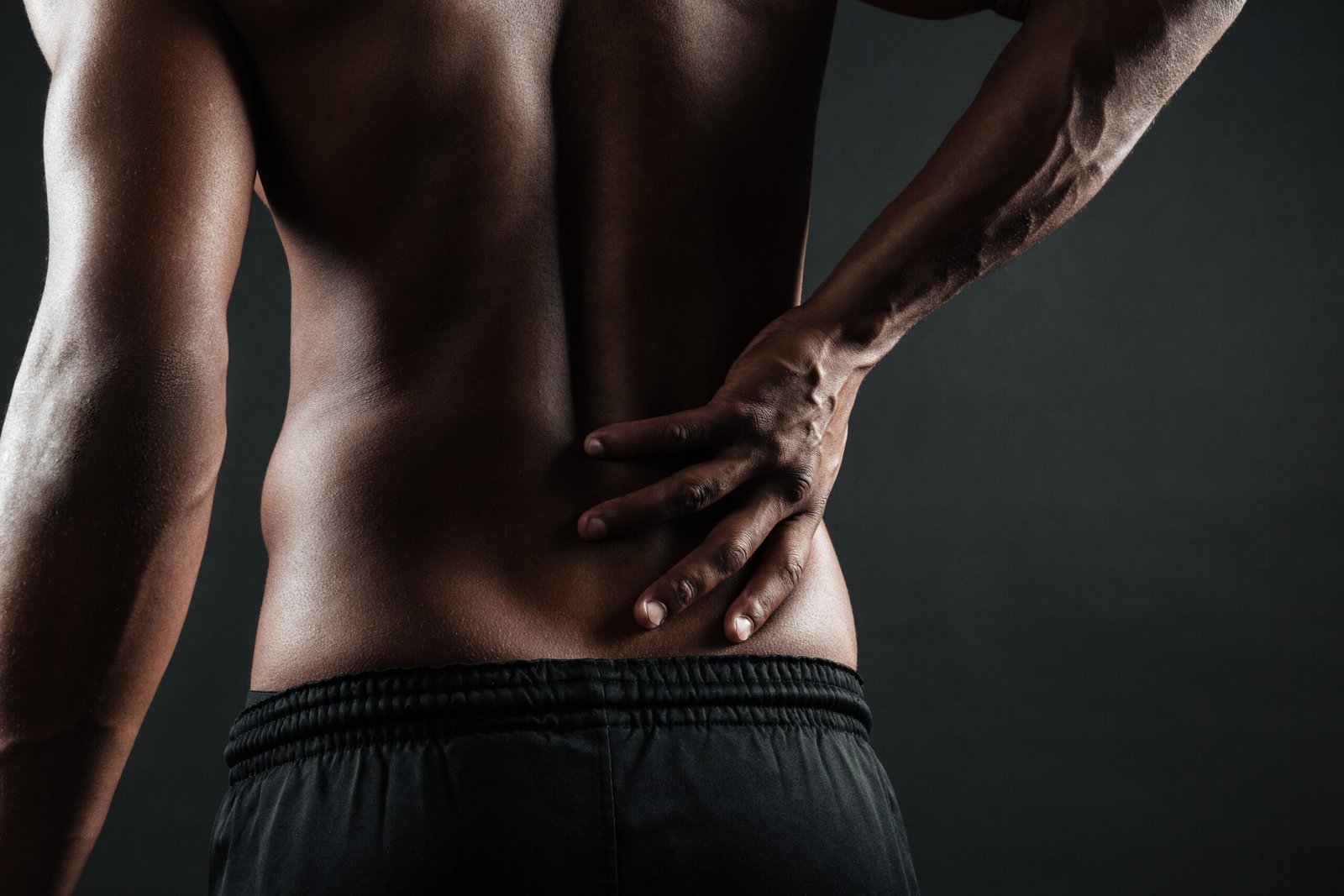
Back pain can affect your comfort, mobility and everyday routine. While some back pain is related to an underlying condition or injury, certain daily habits may contribute to discomfort or make existing symptoms worse. The good news is that small changes in your daily routine can often help you take better care of your back.
Spending long periods sitting, especially without regular movement breaks, can increase stiffness and discomfort.
Get up, walk around and change your position regularly. If you work at a desk, keep your screen at a comfortable height and support your lower back.
Lifting heavy objects while bending from your waist or twisting your back can place additional strain on your spine and surrounding muscles.
When lifting, bend your knees, keep the object close to your body and avoid twisting while carrying it.
Whether you are sitting, standing or lying down, remaining in the same position for extended periods can increase stiffness.
Change positions regularly and include gentle movement throughout the day, as tolerated.
Pushing through significant pain or immediately returning to activities that aggravate your symptoms may make recovery more difficult.
Pay attention to your symptoms and modify activities that clearly worsen your pain. If pain persists or interferes with daily activities, seek professional advice.
Avoiding movement completely because of back pain may contribute to stiffness and reduced strength. For many people, appropriate physical activity and exercises are an important part of managing back pain.
Stay gently active within your comfort level and discuss suitable exercises with a healthcare professional, particularly if you have persistent or severe symptoms.
If your back pain travels into your buttock or leg, or you experience tingling, numbness or weakness, it may be related to sciatica or another nerve-related condition. Sciatica can have different causes, so proper assessment is important before starting treatment.
Consult a healthcare professional if your back pain:
Seek urgent medical attention for severe symptoms such as new loss of bladder or bowel control, numbness around the groin or significant or worsening weakness.
Back pain doesn't always require complete rest. Understanding what may be aggravating your symptoms and making sensible changes to your daily routine can be an important part of back care.
At Praana Clinic, our approach to pain management may include personalised guidance and complementary therapies such as Acupuncture and Homeopathy, depending on your individual needs. Appropriate medical evaluation and conventional treatment are recommended when necessary.